

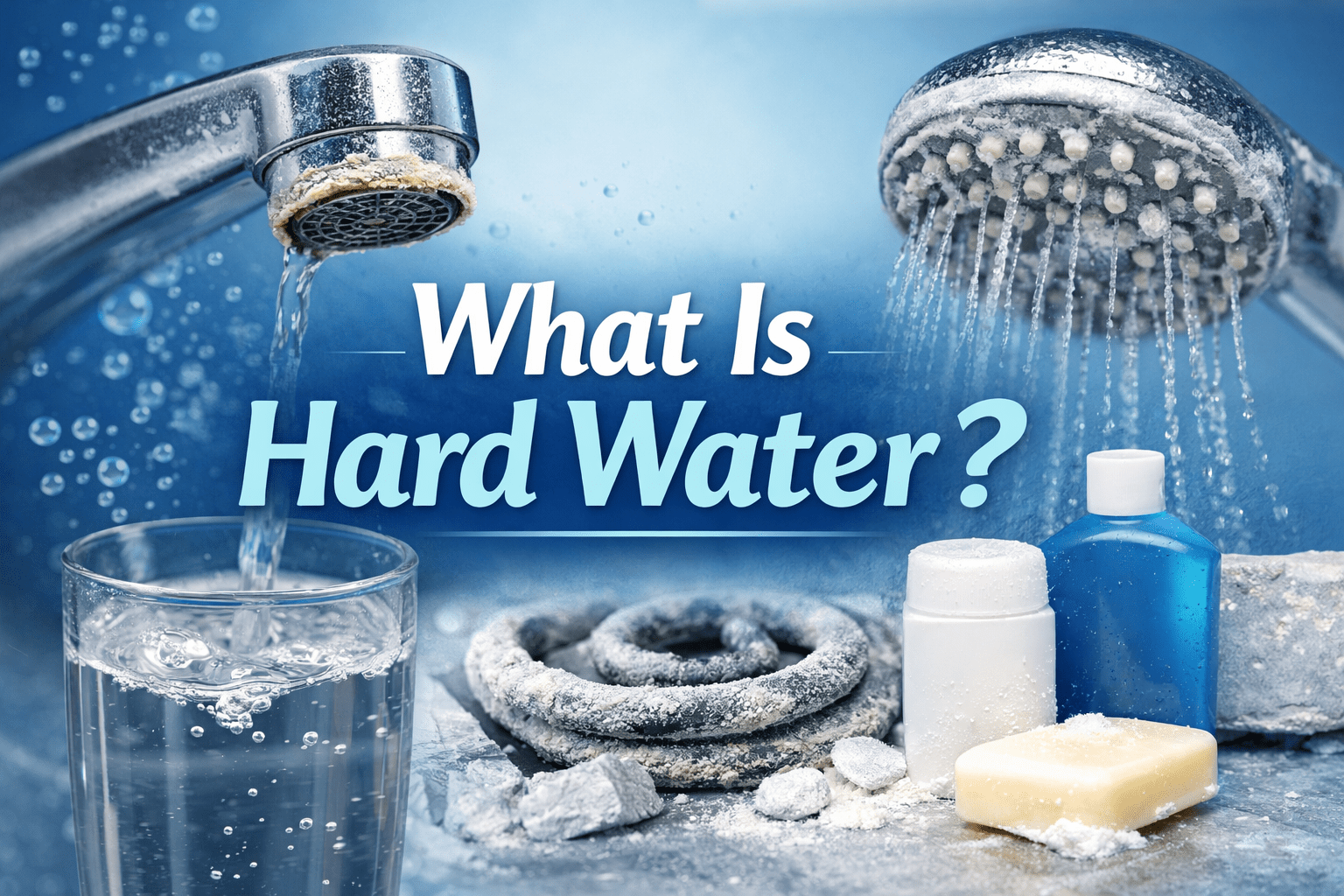
If you have ever experienced dry skin, mineral stains on your faucets, or appliances breaking down sooner than expected, you may have to blame hard water. Hard water is water that contains minerals in high concentrations, particularly calcium and magnesium. Though it is not harmful to drinking, it can cause a lot of problems with your plumbing, appliances, and even your skin.
Luckily, there is a cure-all solution: a water softener. Here are the easy-to-follow steps to help you pick and install one for your house, including maintenance.
What Is Hard Water?
Minerals including calcium, magnesium, and even iron can be found in hard water. GPG, or grains per gallon, is the unit of measurement for these minerals.
- Soft water: GPG less than 1
- Hard water: GPG of 7 or greater
For perspective, 7 GPG is the equivalent of about half a gram of minerals per gallon of water. It may seem like a small amount, but over time, it can cause:
- Mineral stains on faucets, sinks, and toilets
- Sediment in water heaters
- Clogged plumbing and low water pressure
- Dry hair, itchy skin, and soap that does not lather well
- Metallic-tasting or discolored water, often iron
Water does not matter whether it is provided from a private well or even municipal supply; it becomes as tough as this to produce similar difficulties.
How Water Softeners Eliminate Hard Water Problems
A water softener is a type of filter that specifically targets calcium, magnesium, and iron. Two basic parts make up this system:
- Softener tank: The softener tank comprises the resin beads that absorb and trap the hard minerals.
- Brine tank: These tanks contain a briny liquid solution to wash the resin bead in case of a regeneration cycle
What is Water Softener and How do They Operate?
A water softener uses ion exchange, a cycle through which minerals from hard water are swapped for sodium and potassium:
- Water-containing ions such as calcium and magnesium arrive in the softener holding tank, and resin beads clogged with sodium or potassium release them and stick them on minerals. The sodium and potassium then dissolve in water.
- Over time, the beads become saturated with minerals and need to be cleaned. That is where the regeneration cycle comes in.
During regeneration, the system flushes the resin beads with the salty brine solution, washing the trapped minerals out of the tank and into a drain. This restores the beads’ ability to soften water.
Types of Water Softeners
There are several types of water softeners designed to address hard water issues, each working in a different way. Choosing the right type depends on water hardness levels, household needs, and maintenance preferences.
Salt-Based Softeners
- It is most common and effective for hard water issues.
- Use sodium chloride to replace hard minerals.
Salt-Free Softeners
- Use potassium chloride instead of sodium.
- Work as water conditioners rather than true softeners, preventing mineral buildup without removing it.
Reverse Osmosis Systems
- Removes minerals and other contaminants like chlorine, heavy metals, and sediments.
- Best for point-of-use, such as under sinks.
Benefits of Installing a Water Softener
- Protects the plumbing and appliances: Stops mineral buildup in pipes and prolongs the life of water heaters, washing machines, and dishwashers.
- Softer skin and hair: Soap lathers better, and your skin feels less dry.
- Cleaner fixtures: No more stubborn white or orange mineral stains.
- Lower energy bills: Scale-free water heaters use less energy.
- Better-tasting water: Especially when iron is a problem
Drawbacks to Consider
- Maintenance: Regularly add salt and perform periodic system checks.
- Higher water bills: Regeneration cycles can waste up to 120 gallons of water for every 1,000 gallons softened.
- Potential health concerns: Higher sodium in softened water may cause issues for people with specific medical conditions. Salt-free systems solve this problem.
- Environmental impact: Disposing of brine wastewater may affect the environment.
Selecting the Best Water Softener
The following are factors to consider when choosing a water softener:
- Water Hardness: Test your water to know how hard it is. Many labs offer affordable testing kits.
- Household Size: Larger households need systems with higher grain capacities. Here is a quick guide:
- Small households: 16,000–32,000 grains
- Medium to large households: 40,000–100,000 grains
Many manufacturers provide charts to help you match a system to your water use and hardness level.
Installation: DIY or Professional Help?
Installing a water softener requires plumbing skills and knowledge of your home’s water system. Here is a quick overview:
- Set up a bypass loop: This lets you isolate the system for maintenance.
- Connect the softener and brine tanks: Use the supplied tubing.
- Install a drain line: The brine solution needs to be flushed into your home’s drainage system.
- Power the system: Most systems need a standard electrical outlet.
While DIY installation is possible with small under-counter systems, the whole-house setup is more complex and may require a licensed plumber in some areas.
Cost of Water Softener Installation
- Basic Systems: $500 for parts alone; installation not included
- High-end Systems: The unit itself costs $2,500–$3,000; installation up to $11,000
Care for Your Water Softener
Add Salt Regularly: The brine tank should be monitored every 4–6 weeks and refilled when the liquid is low. Some have low-salt indicators, which makes this a little easier.
Select the Right Salt:
- Salt pellets: These are more costly but dissolve slowly and do not clog the system.
- Crystals: Less expensive but forms buildup
Is a Water Softener Worth It?
If you have hard water, a water softener could make a big difference in the quality of your life. With cleaner dishes and softer skin, the benefits often outweigh the costs. By selecting the right system and maintaining it, you can enjoy years of hassle-free water for your home.
So, whether you are frustrated by scrubbing away mineral stains or desire better water for your family, this could be the perfect solution.
FAQs
1. What is hard water?
Hard water is water that contains high levels of dissolved minerals, primarily calcium and magnesium. These minerals are not harmful to health, but they can cause a range of household problems over time. Hard water is especially noticeable when it leaves white residue or scale on fixtures and appliances.
2. How can I tell if I have hard water in my home?
Common signs include soap that doesn’t lather well, white spots on dishes, stiff laundry, and scale buildup on faucets or showerheads. You may also notice reduced water pressure caused by mineral deposits inside pipes. A professional water test can confirm hardness levels.
3. Is hard water bad for plumbing systems?
Yes, over time hard water can cause mineral buildup inside pipes, reducing water flow and increasing pressure. This buildup can shorten the lifespan of plumbing systems and lead to costly repairs if left untreated.
4. Can hard water damage household appliances?
Hard water can significantly reduce the efficiency and lifespan of appliances such as water heaters, dishwashers, washing machines, and coffee makers. Mineral scale forces appliances to work harder, increasing energy consumption and maintenance costs.
5. Does hard water affect skin and hair?
Hard water can leave mineral residue on skin and hair, causing dryness, irritation, and dull-looking hair. Soap residue may also remain on the skin, making it feel tight or itchy after bathing.
6. Why does soap not lather properly with hard water?
The minerals in hard water react with soap, forming a residue instead of lather. This means more soap or detergent is needed to achieve the same cleaning effect, leading to higher product usage and buildup on surfaces and fabrics.
7. Is hard water safe to drink?
Hard water is generally safe to drink and may even contribute small amounts of calcium and magnesium to the diet. However, it can have an unpleasant taste and may not be suitable for certain appliances or personal care needs.
8. What are the most common problems caused by hard water?
Hard water can cause scale buildup, clogged pipes, appliance inefficiency, soap scum, dull laundry, and increased cleaning time. Over time, these issues can result in higher maintenance costs and reduced comfort in the home.
9. How can hard water problems be treated or prevented?
The most effective solution is installing a water softening or conditioning system. These systems reduce mineral content, helping to protect plumbing, improve appliance performance, and enhance overall water quality.
10. Is a water softener worth the investment?
For many homeowners, a water softener can lead to long-term savings by extending appliance life, reducing plumbing repairs, lowering energy costs, and decreasing soap and detergent usage. It can also improve comfort and convenience throughout the home.